
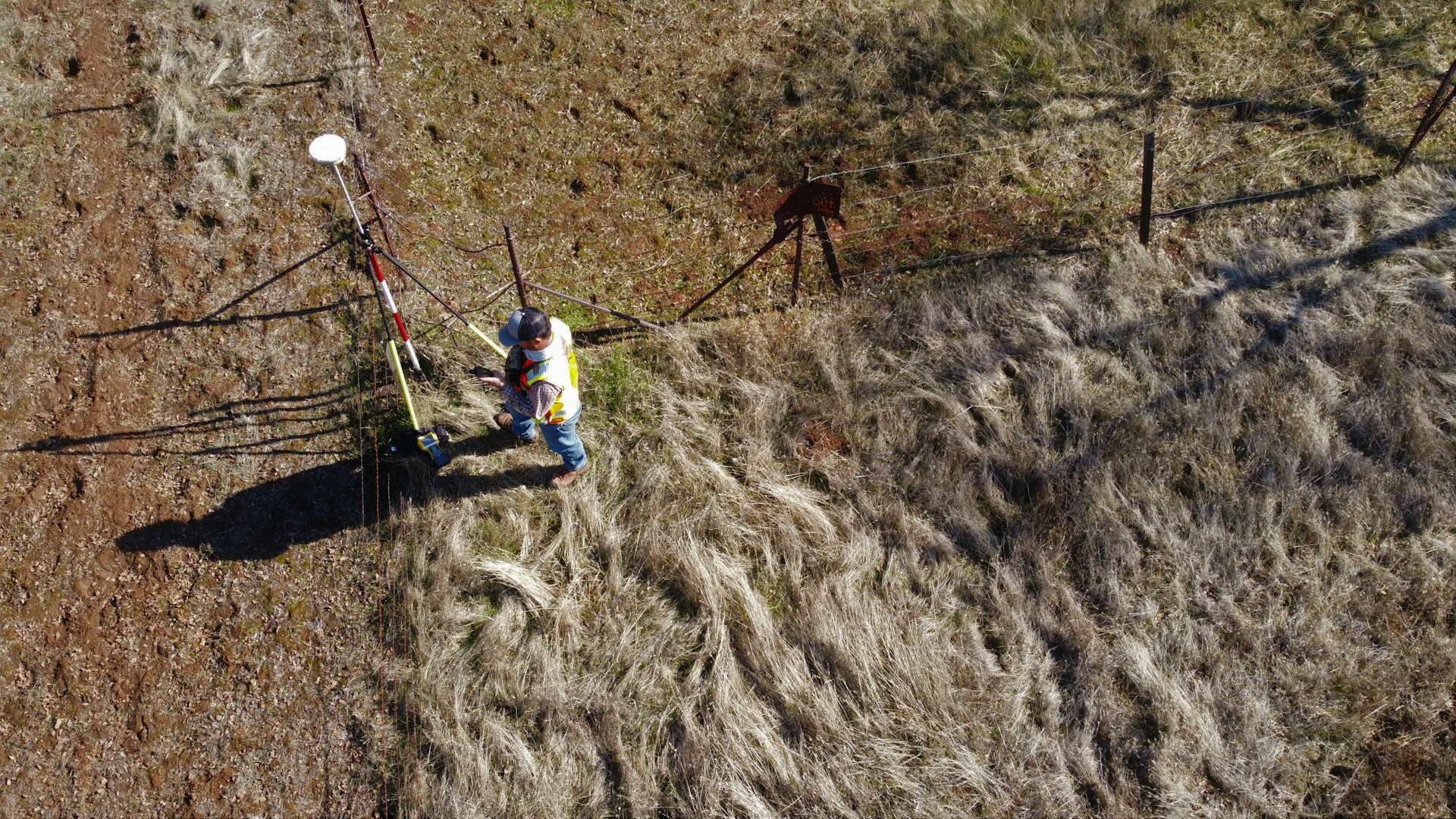
Happy New Year 2026: Start Your Next Property Project With a Land Survey
If you’re making plans for 2026, maybe a new fence, a home addition, a shop building, or a purchase you’ve been thinking about, there’s one step that can save you a surprising amount of time and frustration later: getting a professional land survey early in the process.
A land survey is about more than lines on a map. It helps you understand what you actually own, where improvements can go, what is already recorded against the property (like easements), and what rules may apply (like setbacks). When you start with verified information, planning gets simpler because you are building decisions on facts instead of assumptions.
Why the New Year is a Smart Time to Call a Surveyor
The first part of a new year is when a lot of property plans get set:
- You’re collecting quotes for spring and summer work.
- You’re setting budgets and timelines.
- You’re deciding whether to buy, sell, or refinance.
- You’re mapping out improvements on residential property, rural land, or farmland.
Many of those plans depend on property details that are not obvious when you walk the ground. A survey gives you clarity before money gets spent on materials, excavation, and contractors. If 2026 is the year you want fewer surprises, a survey is one of the best ways to reduce them.
2026 Projects That Often Need a Survey (or Benefit From One)
Some people think surveys are only for buying a home. In reality, a lot of everyday projects go smoother when you have survey-grade certainty.
Fences, driveways, and property improvements
A fence feels straightforward until a neighbor points out that the old fence was never on the line, or until you discover the planned route crosses an easement. Knowing the boundary ahead of time helps you build once and move on.
Driveways, parking areas, and similar improvements can also benefit from clear boundaries and known setbacks, especially when the plan gets close to a line or a corner.
Additions, garages, sheds, and new construction
Any structure near a boundary can raise questions about placement, setbacks, and potential encroachments. A survey helps you lay things out correctly from the beginning, which is much easier than changing the plan after work is already underway.
Buying, selling, or refinancing
Surveys can help confirm what is being transferred, identify boundary concerns early, and provide documentation that can be useful during closing. They are especially helpful when there are visible improvements near a line, or when there are questions about easements.
Subdividing, platting, or creating easements
If 2026 includes splitting a lot, recording a subdivision, or creating an easement, professional surveying becomes foundational. These are record-driven actions that rely on correct legal descriptions and mapping.
Flood-related documentation and map questions
If your property is shown in or near a flood zone, or if insurance requirements are involved, surveying deliverables like elevation certificates or map amendment filings can matter. If you suspect this could apply to you, dealing with it early can make the rest of the process less stressful.
Three Common “Surprises” a Survey Helps You Avoid
Surprise #1: “That corner isn’t where I thought it was.”
It is easy for assumptions to drift over time, especially when fences get replaced, landscaping changes, or old markers get buried. A professional survey involves record research and field verification. It does not depend on guesswork.
Surprise #2: “We designed the project, then the requirements forced a redesign.”
Setbacks and permitting requirements can reshape a plan quickly when the true boundary is verified. Knowing your lines earlier gives you room to adjust while changes are still cheap and simple.
Surprise #3: “The lender or insurer needs documentation we don’t have.”
Flood-zone questions, elevation certificates, or map filings often pop up at the worst possible time, right when you want to move forward. If you think that might be part of your situation, it is usually better to address it before deadlines get tight.
What a Land Surveyor Actually Does (Plain English)
People sometimes picture surveying as one person with a tripod. The reality is more involved, and that’s a good thing.
A typical surveying process can include:
- Records research (deeds, plats, prior surveys, and recorded documents that affect the property)
- Field work (locating or re-establishing boundary evidence and measuring what is found)
- Analysis (reconciling what is on the ground with what is in the record, including any conflicts)
- Deliverables (maps, plats, notes, and documentation that match the purpose of the job)
Surveying is not just measuring. It is professional judgment applied to recorded documents and physical evidence so you can rely on the results.
“Start 2026 Right” Checklist for Property Owners
If you want a simple New Year plan that helps your next project go smoother, here’s a practical checklist:
- Decide what you’re trying to accomplish (fence, addition, purchase, lot split, dispute resolution, flood-zone question)
- Gather what you already have (deed, plat, old survey, title paperwork, any notes from a prior owner)
- Identify your timeline (spring construction, near-term closing, upcoming permit application)
- Talk with a surveyor before plans are finalized, because moving lines on paper is easier than moving a finished project
A Simple Resolution for 2026: Document Before You Build
Here’s a practical resolution that pays off over and over:
Before you build it, plant it, pave it, or fence it, document it.
That habit tends to help in multiple ways:
- It reduces the odds of neighbor conflict.
- It supports permits and planning with accurate information.
- It lowers the chance of paying twice to fix placement problems.
- It creates clearer records for the future, whether you keep the property long-term or plan to sell later.
If your 2026 includes any meaningful property investment, a survey is often one of the highest-leverage early steps you can take.
Ready to Start 2026 With a Clear Plan?
If you are planning a property project this year and you want to begin with clear, reliable information, start by scheduling a land survey. It is a straightforward step that can remove a lot of uncertainty and help your project move forward with confidence.
Happy New Year 2026, and here’s to plans that go smoother because the groundwork was done right.